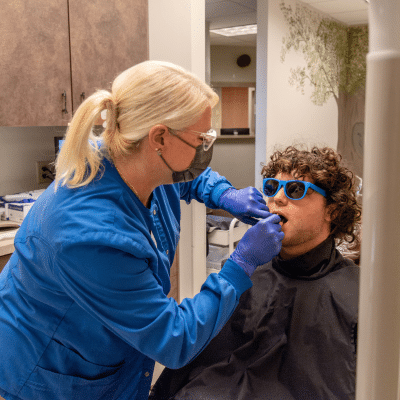
One of the most effective ways to protect your teeth and jaw is by wearing a mouthguard. Mouthguards are not only one of the least expensive pieces of protective equipment available, but they’re also one of the most essential. They serve as a shield against injury, particularly in activities where there’s a risk of falling, or colliding with a ball, another player, or an object.
Prevention Is Key
Preventing dental emergencies is the most effective way to keep them from happening. Always ensure your child wears a mouthguard for sports or any activity that carries a risk of impact. Preformed mouthguards are readily available at most sporting goods stores, but for maximum comfort and protection, consider getting a custom-made mouthguard from your pediatric dentist. A well-fitted mouthguard is essential for optimal safety.
What To Do In A Dental Emergency
Accidents can occur, even with the most effective preventive measures in place. Knowing how to respond to a dental emergency can make a significant difference in saving a tooth and minimizing damage. Below are some quick tips on how to handle common dental injuries:
If A Baby Tooth Is Knocked Out
First and foremost, contact your pediatric dentist as soon as possible. Acting quickly can reduce discomfort and prevent infection. Rinse your child’s mouth gently with water and apply a cold compress to the area to reduce swelling. Do not attempt to put the baby tooth back in the socket, as this could damage the developing permanent tooth underneath.
If A Permanent Tooth Is Knocked Out
In the case of a permanent tooth being knocked out, the first step is to find the tooth and gently rinse it with milk—avoid using soap or water, as this can harm the root. If possible, place the tooth back into the socket and hold it in place with a clean cloth. If reinserting the tooth isn’t feasible, store it in a cup with cold milk or the child’s saliva (but never water) and get to the pediatric dentist immediately.
If A Tooth Is Chipped Or Broken
For a chipped or broken tooth, call your pediatric dentist right away. Quick action can help save the tooth, prevent infection and reduce the likelihood of needing more invasive treatment. In the meantime, rinse the mouth with water and apply a cold compress to help with swelling and discomfort.
Stay Protected With Helmets And Face Shields
In addition to mouthguards, helmets and face shields are essential to protect against facial injuries during contact sports or recreational activities like biking, skateboarding, or rollerblading. A properly fitted helmet can significantly reduce the risk of head and facial trauma, while a face shield adds an extra layer of protection to keep your nose, mouth and eyes safe from impact. Make sure your child always wears a helmet that complies with safety standards.
Sports: Regular Dental Check-Ups Are Key
Routine dental check-ups are vital, especially for active children involved in sports. A pediatric dentist can assess your child’s oral health, check for any early signs of wear or damage and ensure their teeth and jaw are well-protected. During the visit, the dentist can also discuss the best type of mouthguard for your child based on their activity level and needs. Prevention starts with a healthy foundation!
What To Do If Your Child Bites Their Tongue Or Lip
If your child accidentally bites their tongue or lip during sports or play, stay calm. Gently clean the area with a damp cloth and apply a cold compress to minimize swelling. If the bite is deep or bleeding heavily, seek immediate care from your pediatric dentist or visit an urgent care center. Serious cuts may require stitches, but quick action can help prevent infection and minimize discomfort.
Be Prepared: Create A Dental Emergency Kit
Having a dental emergency kit on hand can help you respond swiftly to any accidents. Pack essentials like gauze, a small container with a lid, a cold compress and saline solution. You can also include a small bottle of milk in case a tooth is knocked out, as this can help preserve it while you seek emergency dental care. Being prepared can make all the difference in saving your child’s smile.
Sports Drinks: Hydration Vs. Oral Health
While sports drinks can be popular for staying hydrated during games and practices, they are often high in sugar and can contribute to tooth decay if consumed frequently. Encourage your child to drink water during sports, especially when wearing a mouthguard, to prevent dry mouth and maintain optimal oral health. If they do consume sports drinks, ensure they rinse with water afterward to wash away any lingering sugars.
Set A Good Example: Encourage Consistent Use of Protective Gear
Kids are more likely to wear their mouthguards and helmets if they see adults doing the same. Set a positive example by always wearing the appropriate protective gear during sports. Whether you’re playing a casual game of basketball or going on a family bike ride, modeling good habits encourages kids to take their safety seriously and wear their gear consistently.
Sports and Outdoor Activities: Request Your Appointment In Bridgeport, Shelton And Westport, CT Today
Taking the right steps can help protect your child’s smile in an emergency situation. At Commerce Park Children’s Dentistry & Orthodontics, we proudly serve families in Fairfield County, CT. We encourage you to prioritize facial protection this spring as your family gears up for sports and outdoor activities. Be prepared for the unexpected by requesting your appointment today!